
Quality Control and Production Consistency
From approved samples to bulk production, we define the details that matter, document product requirements and set clear checkpoints for your custom plush project.
Quality control starts with clear product requirements and an approved sample. We document the references for appearance, materials, dimensions, construction and packaging so bulk production is checked against the approved design rather than against assumptions.
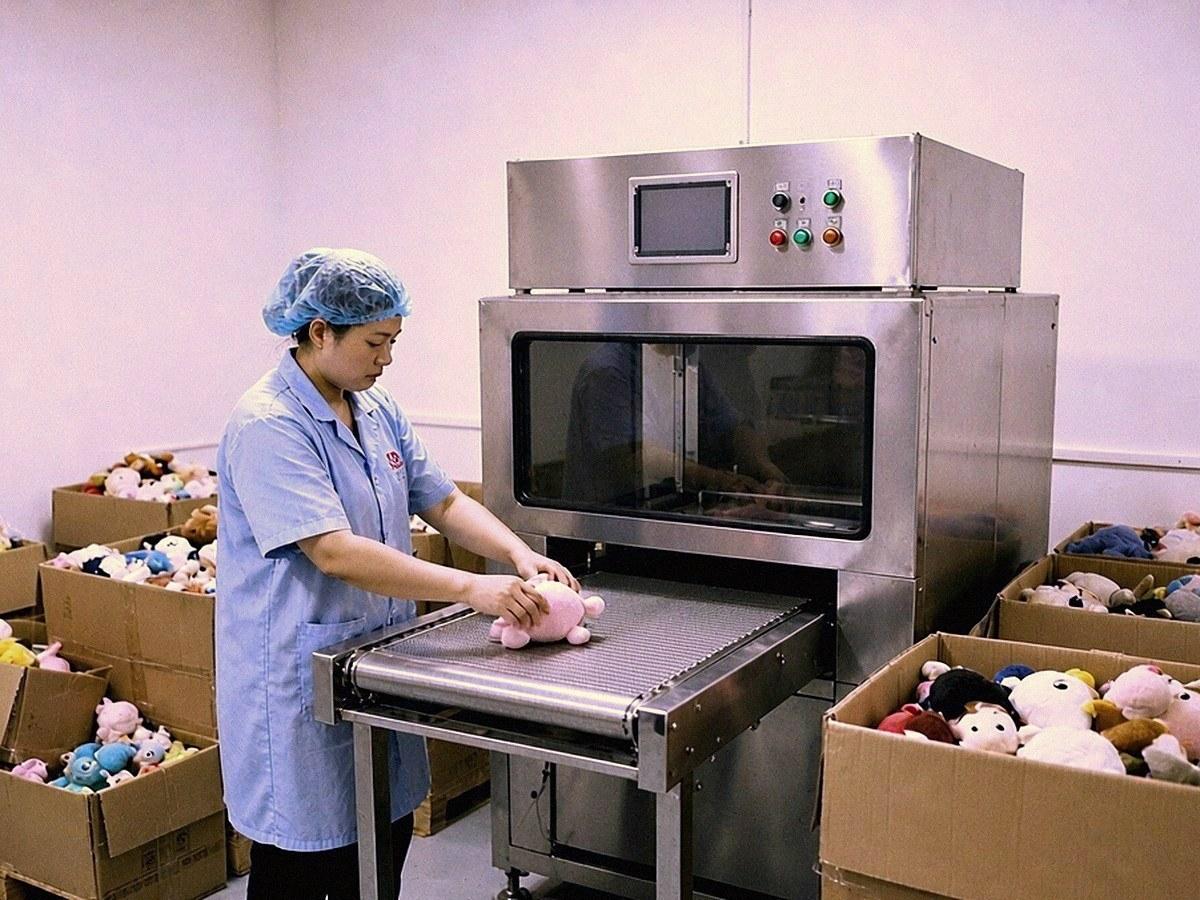
Every batch passes 100% metal detection before shipping.
- Metal detectionEvery batch passes 100% metal detection before shipping.
- Case authorizationEvery product shown on this site is displayed only with the client's explicit authorization.
- Mass productionMass production typically 30-45 days, depending on style complexity and quantity.
- Pattern makersOur master pattern makers each have 20+ years of hands-on experience.
What quality means for custom plush
Quality is not defined by a single inspection. It begins with clear design requirements and continues through material confirmation, sample approval, production checks and final review.
Character appearance
Silhouette and proportions, eye placement and expression, color placement, ear and limb shapes, and decorative detail are identified for each design before bulk production.
Materials & workmanship
Outer fabric and color references, filling and firmness, stitching and seams, embroidery or printing, and any accessories are confirmed before production.
Sample-to-bulk consistency
The approved sample establishes the intended appearance and construction, and key requirements are documented so production works from the same reference.
Order requirements
A retail character plush, a corporate mascot and a promotional giveaway may need different specifications for appearance, packaging, labeling and testing.
- 20dedicated QC inspectors
- 200skilled workers on the floor
A clear workflow from sample approval to bulk production
The exact inspection steps depend on the product design, order requirements and agreed process. This workflow provides a framework for documenting quality expectations.
- 1
Review design & product requirements
Identify the key details that define the product and document the requirements before sampling or production.
- 2
Develop and review the sample
Evaluate shape, facial details, color, construction and finishing, and confirm any revisions before approval.
- 3
Confirm the production reference
Agree which sample, artwork and specifications define the approved version, especially when several revisions exist.
- 4
Monitor production requirements
Communicate the relevant requirements to the people making and checking the product against the approved reference.
- 5
Conduct final quality review
Before shipment, review the agreed items for the order. The inspection method and acceptance criteria are confirmed per project.
- 6
Document and resolve deviations
If something does not meet an agreed requirement, record and review it, then agree a resolution such as rework or additional inspection.
Mass production typically 30-45 days, depending on style complexity and quantity.
Protecting the details that make your character recognizable
Shape & proportions
Record the proportions and silhouette references, especially for distinctive head, body, ear or limb shapes.
Facial expression
Identify the intended eye placement, mouth shape and expression, using approved artwork or sample photos as references.
Color references
Confirm fabric and decoration colors before production and agree how color is approved, since appearance varies with material and lighting.
Embroidery & detail
Confirm the artwork, placement, scale and method for embroidery, printing or appliqué.
Materials & construction
Document the agreed fabric, filling, construction and accessories; substitutions are reviewed and approved before use.
Revision control
Keep a clear record of approved revisions so an outdated file or earlier sample is not used as the production reference.
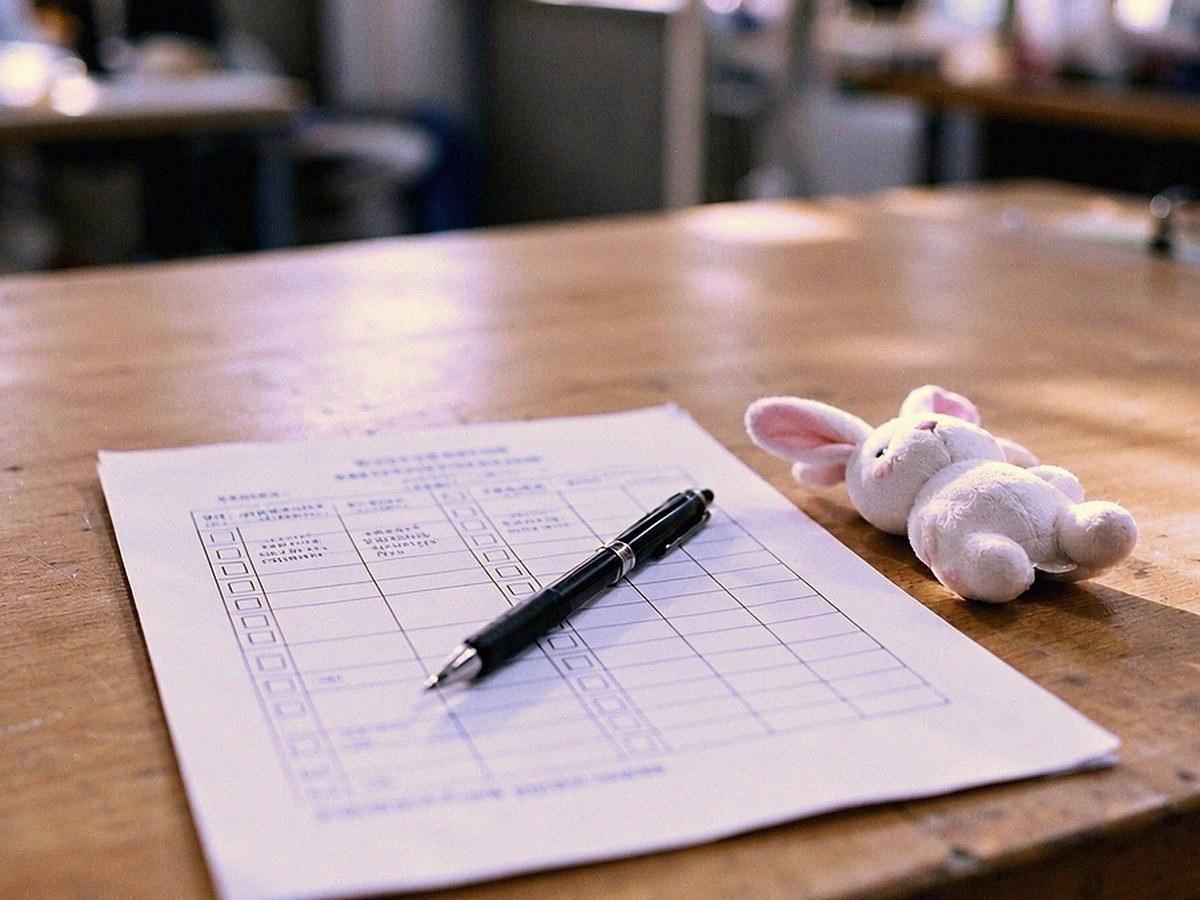
A practical pre-production checklist
Before approving bulk production, buyers can confirm the items that materially affect the final product. Not every project needs the same level of documentation.
| Item | What to confirm |
|---|---|
| Approved sample | Which sample version is the approved reference? |
| Artwork | Which design files and revisions are final? |
| Dimensions | Which measurements matter, and what tolerances are acceptable? |
| Colors | Which material or color references should be used? |
| Materials | Which fabrics, filling and components are approved? |
| Construction | Which stitching, embroidery and finishing details are required? |
| Accessories | Which accessories, labels and packaging are included? |
| Safety and compliance | Which requirements apply to the intended market and product use? |
| Inspection criteria | Which defects are unacceptable, and which are subject to agreed tolerances? |
| Final review | What inspection method and approval process will be used? |
| Changes | How will material, artwork or production changes be approved? |
| Reorders | Which specifications and approved references should be retained for future orders? |
Quality priorities depend on your project
Brand merchandise
Close attention to character appearance, brand colors, labels, packaging and repeat-order consistency.
Original character & creator merchandise
Distinctive expressions, unusual proportions, decorative detail and a faithful interpretation of the creator artwork.
Corporate mascots
Recognizable brand features, approved colors, logo placement and consistency across units or future orders.
Promotional campaigns & events
Clear deadlines, defined packaging and labeling, order-quantity confirmation and any applicable market requirements.
The inspection plan and product requirements are agreed for each specific project rather than assumed to be identical for every order.
Safety and compliance
Safety and compliance requirements depend on the product intended use, target market, materials, design and the applicable laws and standards. Availability of test reports or certificates is confirmed for the specific project rather than assumed.
If a project needs laboratory testing or specific documentation, the relevant scope is agreed before production.
Certifications and public documents are published once they are confirmed for the applicable product and market.
Quality at our facility
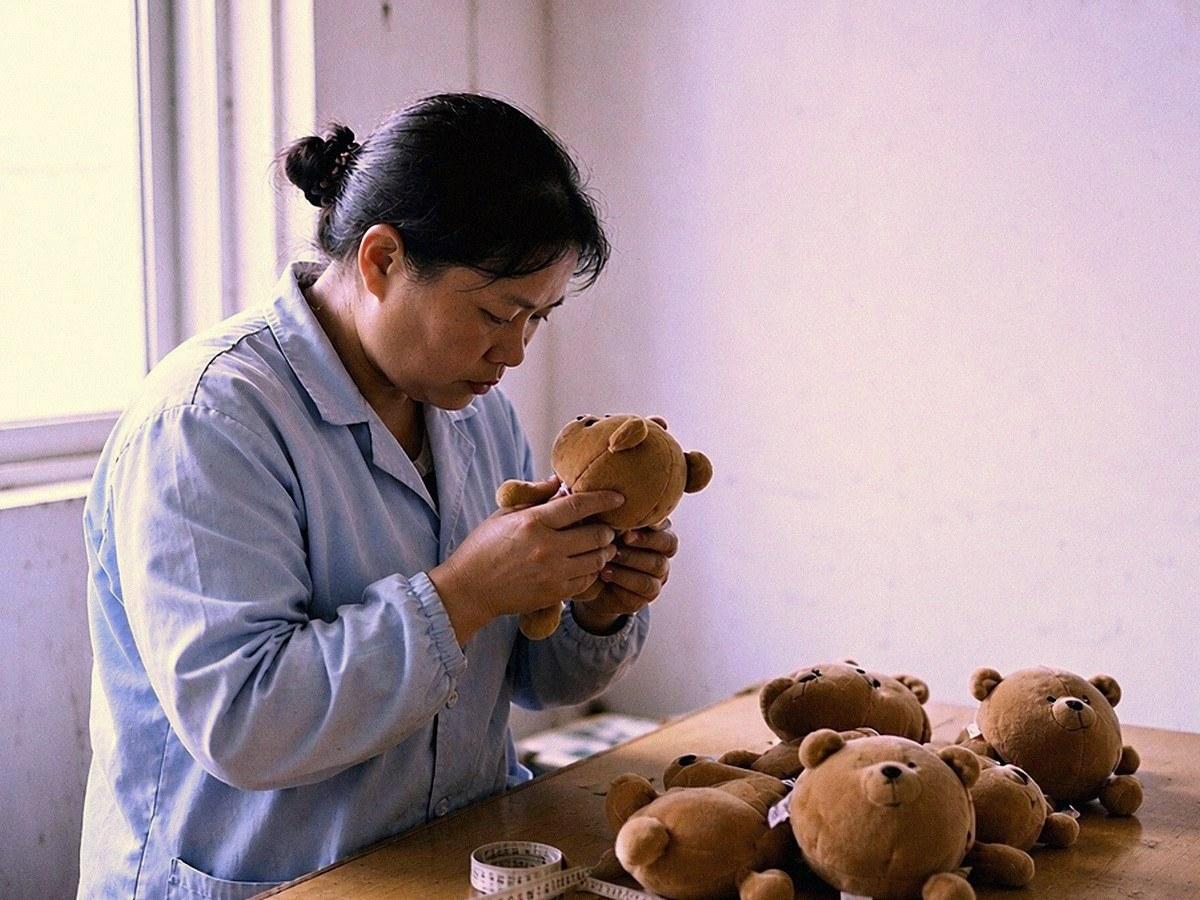
Quality control FAQ
How do you help bulk production match the approved sample?
The approved sample is used as a reference alongside documented product requirements. Key appearance, material, construction and finishing details are confirmed before bulk production, and the inspection process is agreed for the order.
Can every plush be exactly identical?
Sewn and handcrafted products may show some variation. The practical goal is to define the critical characteristics, agree on acceptable tolerances and use an appropriate inspection process.
Can I approve a sample before bulk production?
Yes. Sample approval is part of the workflow: the final approved sample is identified and any required changes are recorded before bulk production.
What happens if bulk products differ from the approved sample?
The affected products are compared against the agreed requirements, the difference is documented, and a resolution is agreed based on the type and extent of the deviation.
Do you inspect for metal contamination?
Every batch passes 100% metal detection before shipping.